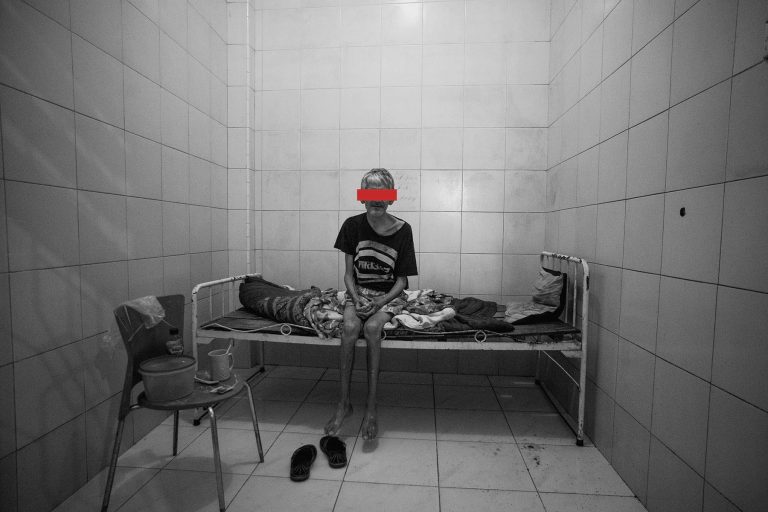

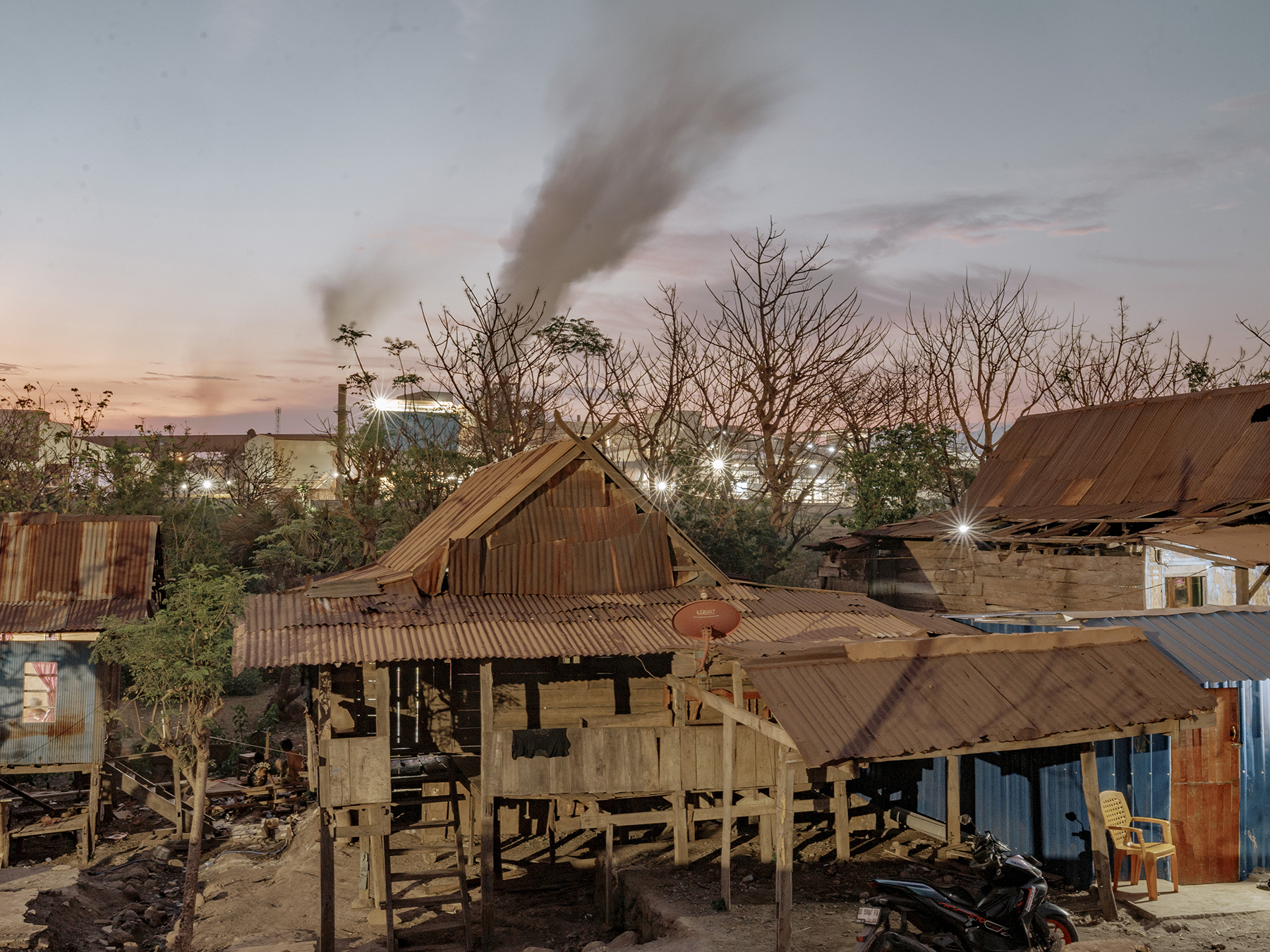
Residents around the Bantaeng Industrial Park must live with thick dust and the constant roar of nickel smelters that are steadily damaging their health and the environment. The “national strategic project” the government promotes as a road to prosperity has instead become a source of seemingly endless hardship.
Ambo
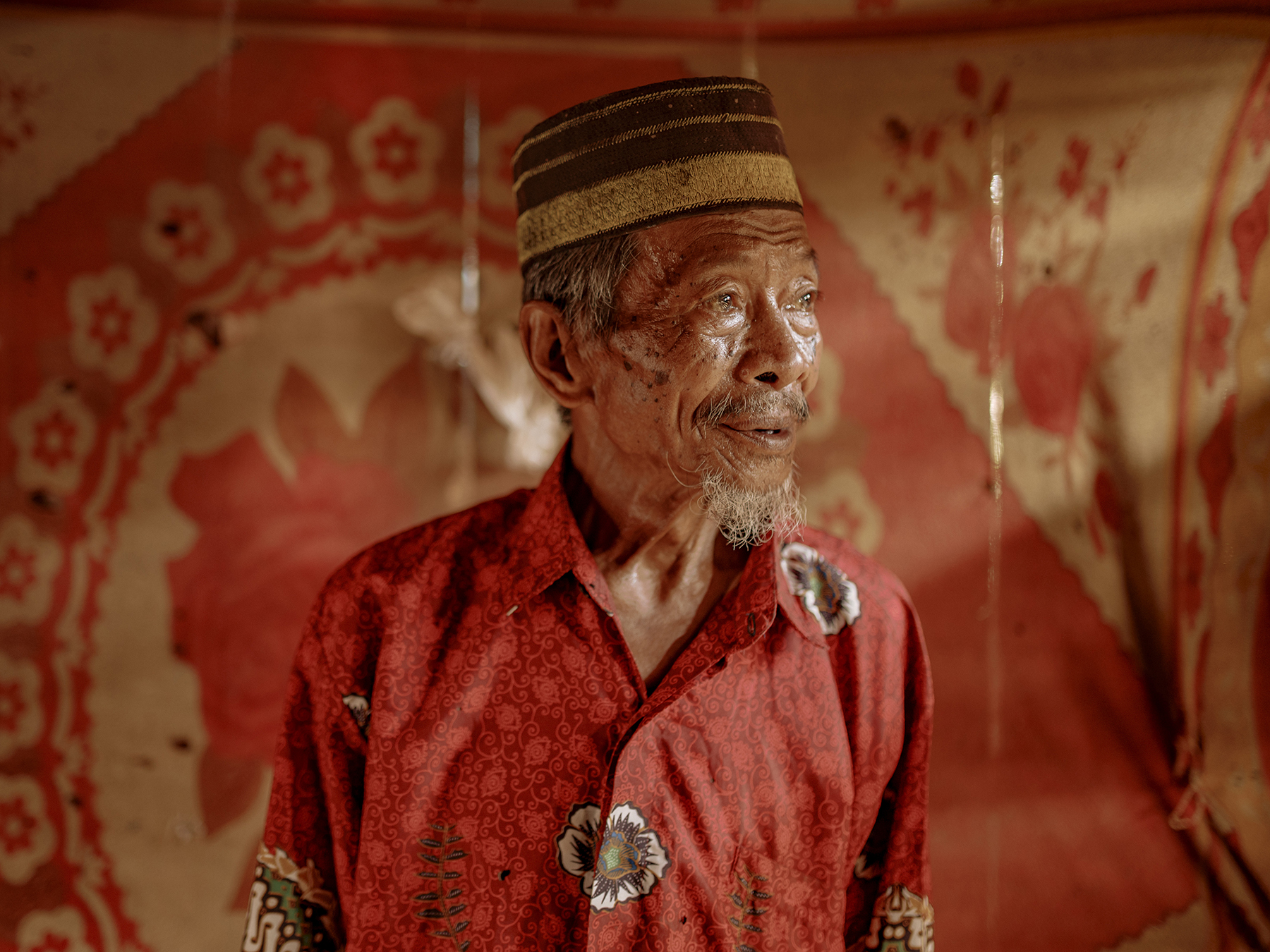
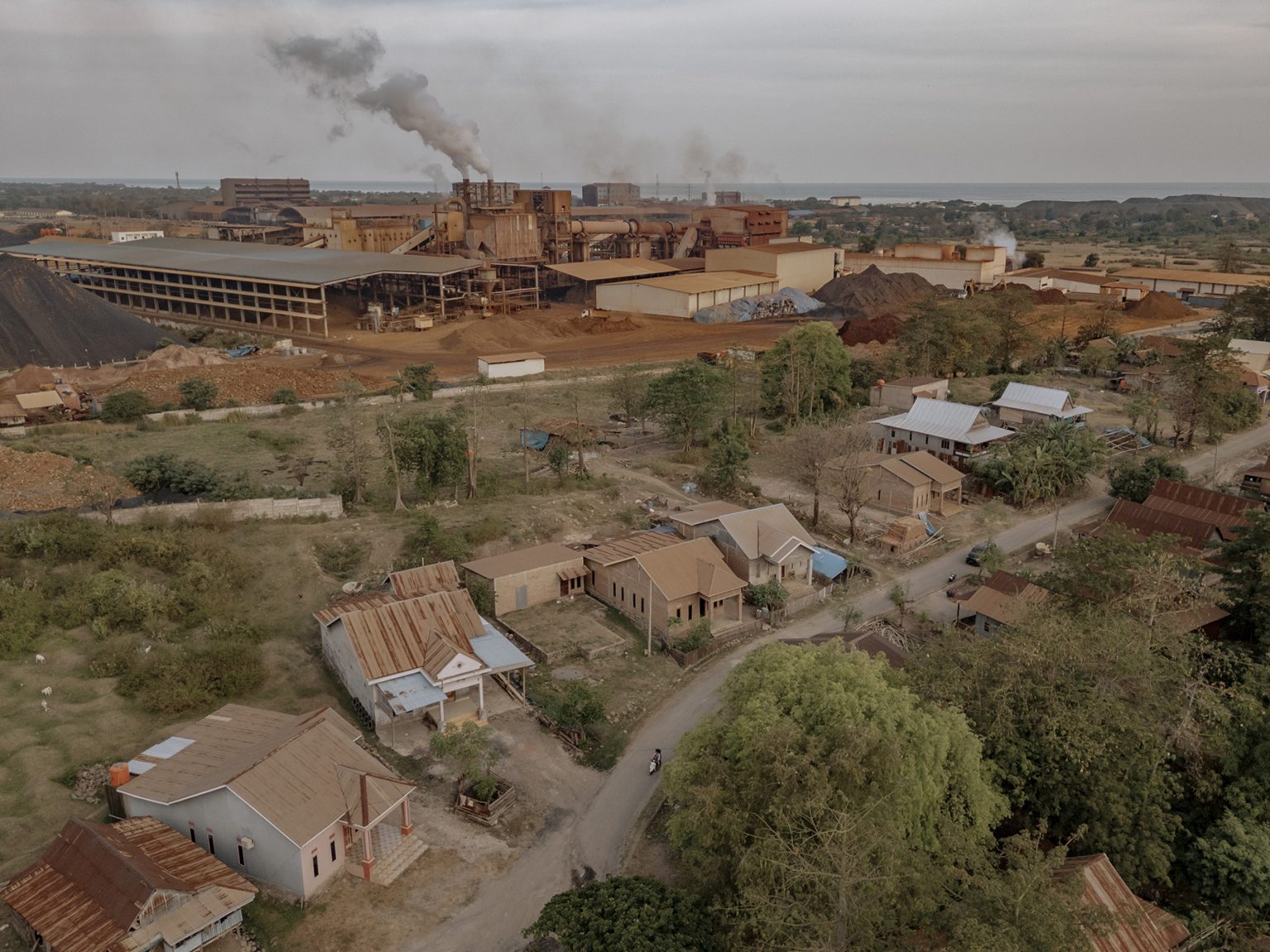
One afternoon in October 2025, thick black smoke billowed from the stack of a nickel smelter in Pa’jukukang district, Bantaeng, South Sulawesi. Carried by the wind, it crept beneath a gray sky, seeping into nearby neighborhoods and unsettling residents’ lives.
For local residents, it’s an everyday sight. Under the government’s push for downstream nickel processing, foreign-backed companies have built smelters across Pa’jukukang. Much of the development is concentrated in a roughly 3,200-hectare area spanning six villages, designated as the Bantaeng Industrial Park (BIP). The transformation has upended daily life in surrounding communities.
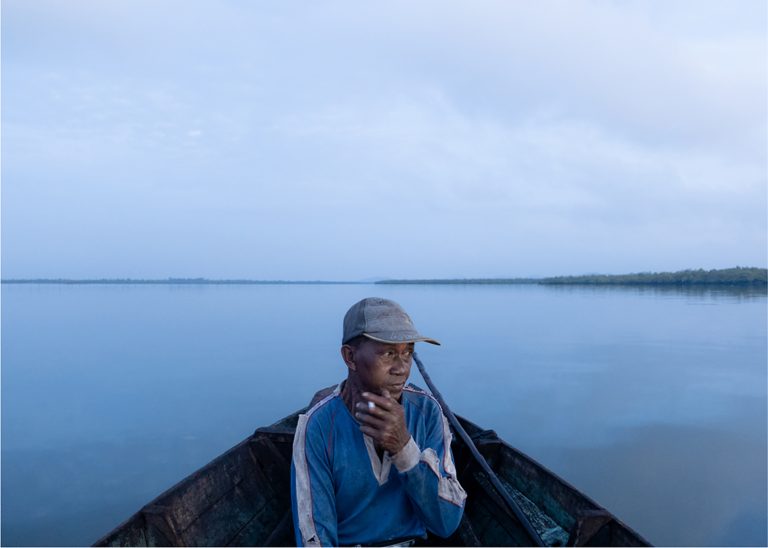
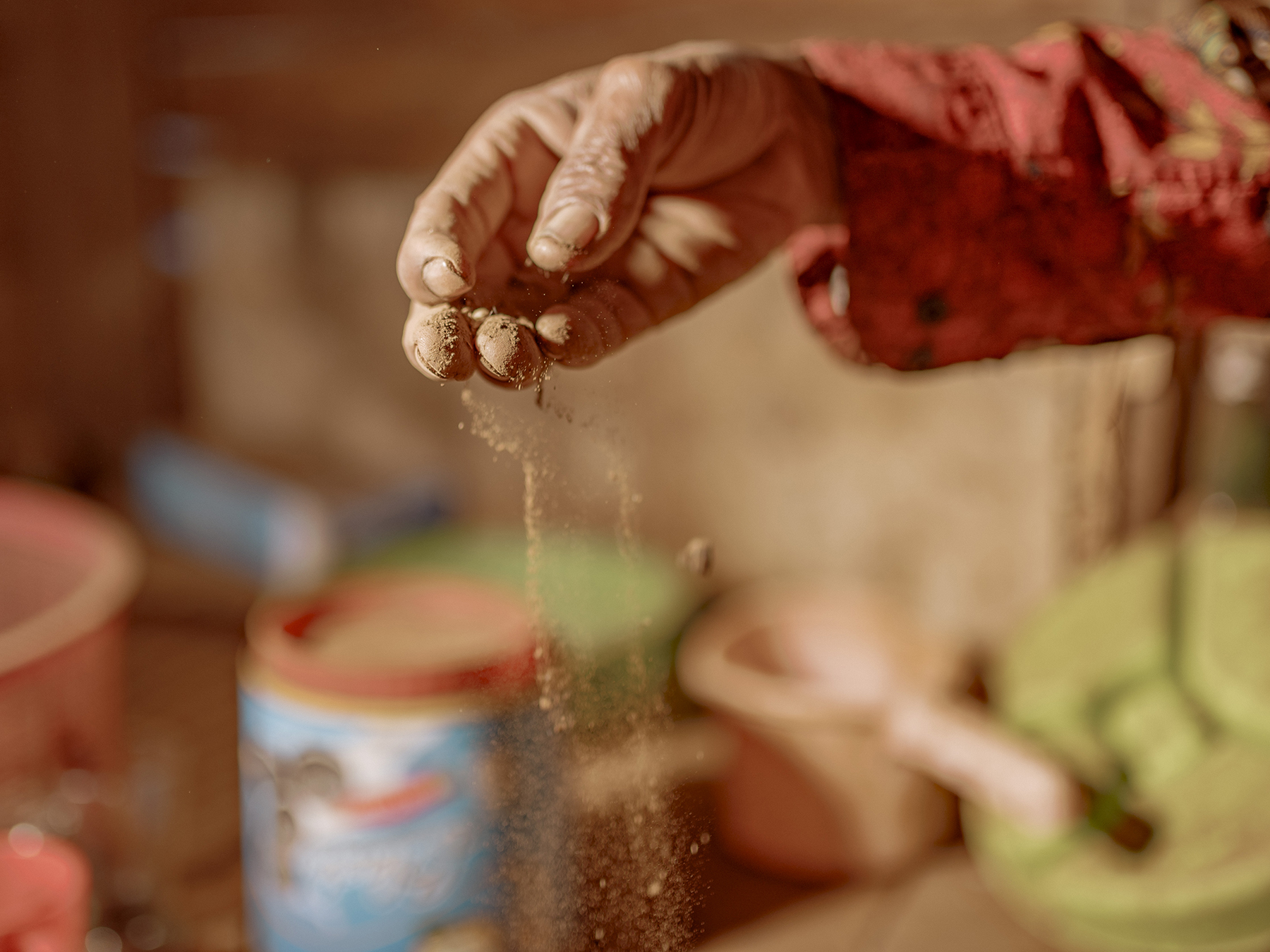
Take Ambo Enre. The 77-year-old resident of Papanloe village in Pa’jukukang lives in a stilt house wedged between two nickel smelter facilities that run day and night.
“If the companies came and saw for themselves, maybe they would understand how we live under the smoke,” said Ambo.
“When the wind blows this way, my eyes sting, my breathing gets shallow.”
Two years ago, his wife moved to their child’s home just 10 meters away as her health deteriorated. “She was constantly coughing and struggling to breathe,” said Ambo.
Ambo has lived in this house since 2005. From here, he has witnessed every change that has come to Pa’jukukang.

In 2013, China’s Huadi Group, the main investor behind the BIP, began acquiring land for the project. According to the Balang Institute and the Mining Advocacy Network (Jatam), the process was rife with intimidation.
PT Huadi Nickel-Alloy Indonesia, a part of Huadi Group, began building its smelter complex in Pa’jukukang in 2014. Yet the company only started preparing its environmental impact assessment (Amdal) in 2015.
In early 2016, the government designated BIP a national strategic project (PSN), a status that eased approvals and strengthened state backing, including for permits and land acquisition.
PT Huadi Nickel-Alloy Indonesia’s smelter was formally inaugurated in January 2019, after undergoing production trials in 2018.
More smelters followed, including those built by PT Hengsheng New Energy Material Indonesia, PT Unity Nickel Alloy Indonesia, PT Dowstone Energy Material Indonesia, PT Huadi Wuzhou Nickel Industry, PT Yatai Huadi Alloy Indonesia, and PT Huadi Yatai Nickel Industry. Jatam’s investigation says these firms are all part of the Huadi Group.
Since then, the once green and idyllic Papanloe village has slowly turned barren.
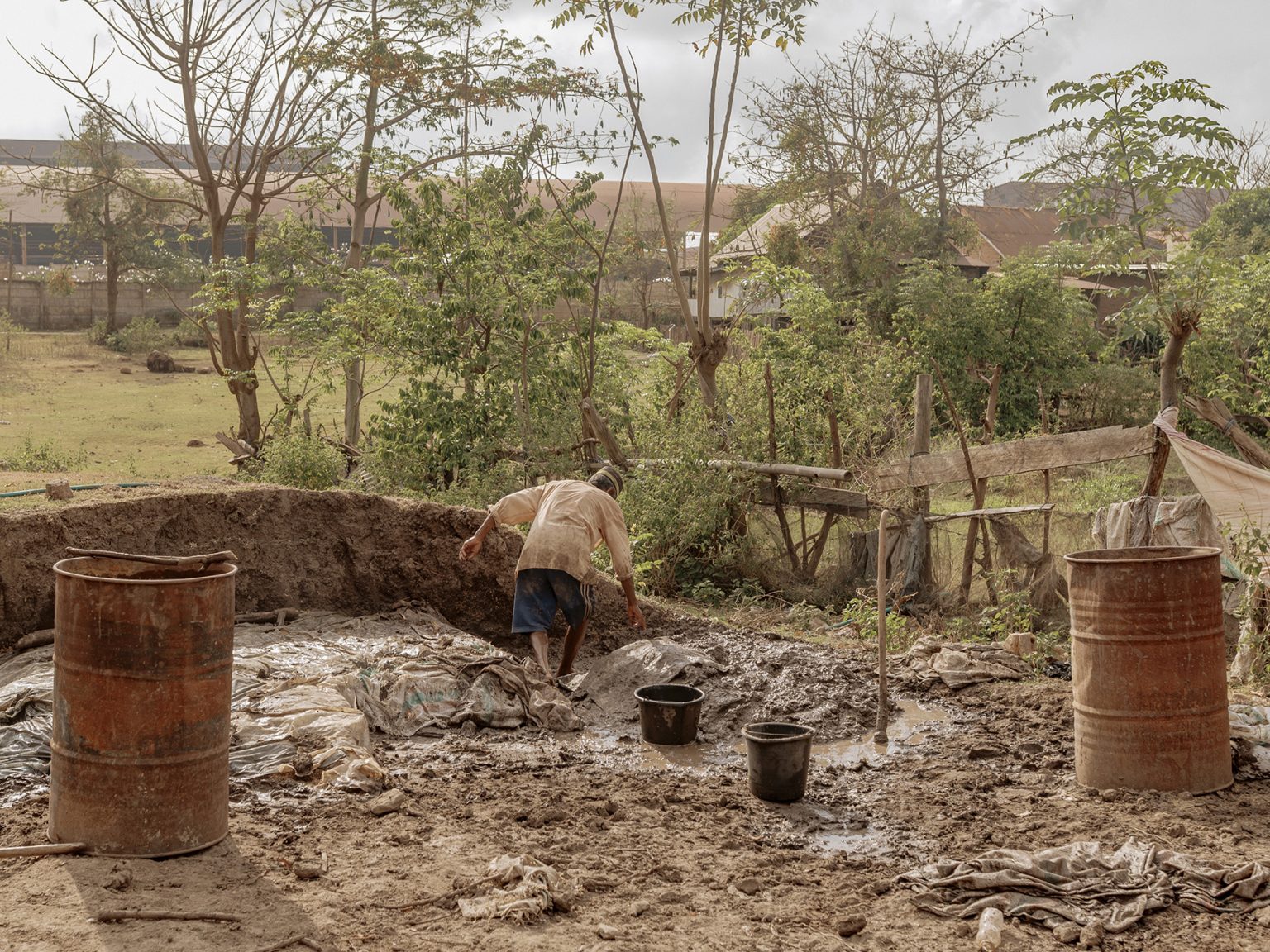
Ambo and other residents once farmed small plots behind their homes, growing chili peppers, vegetables, and cassava. Now the soil is dry and hardened, blanketed in dust.
“There’s no arable land left,” Ambo said.
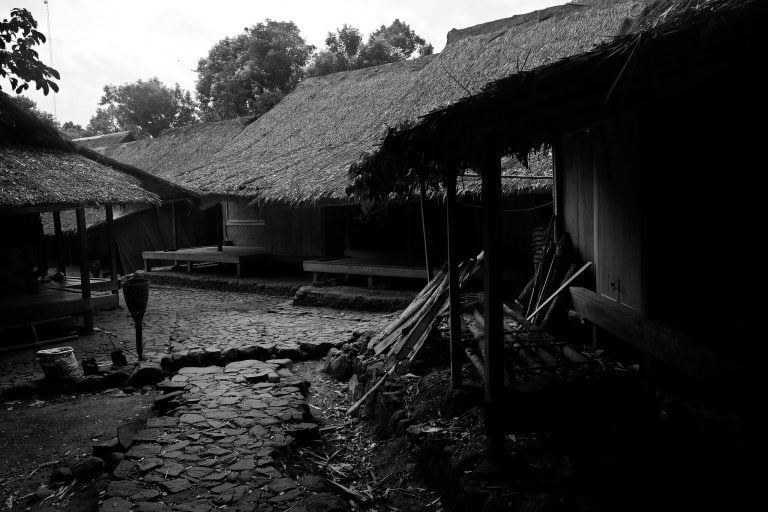
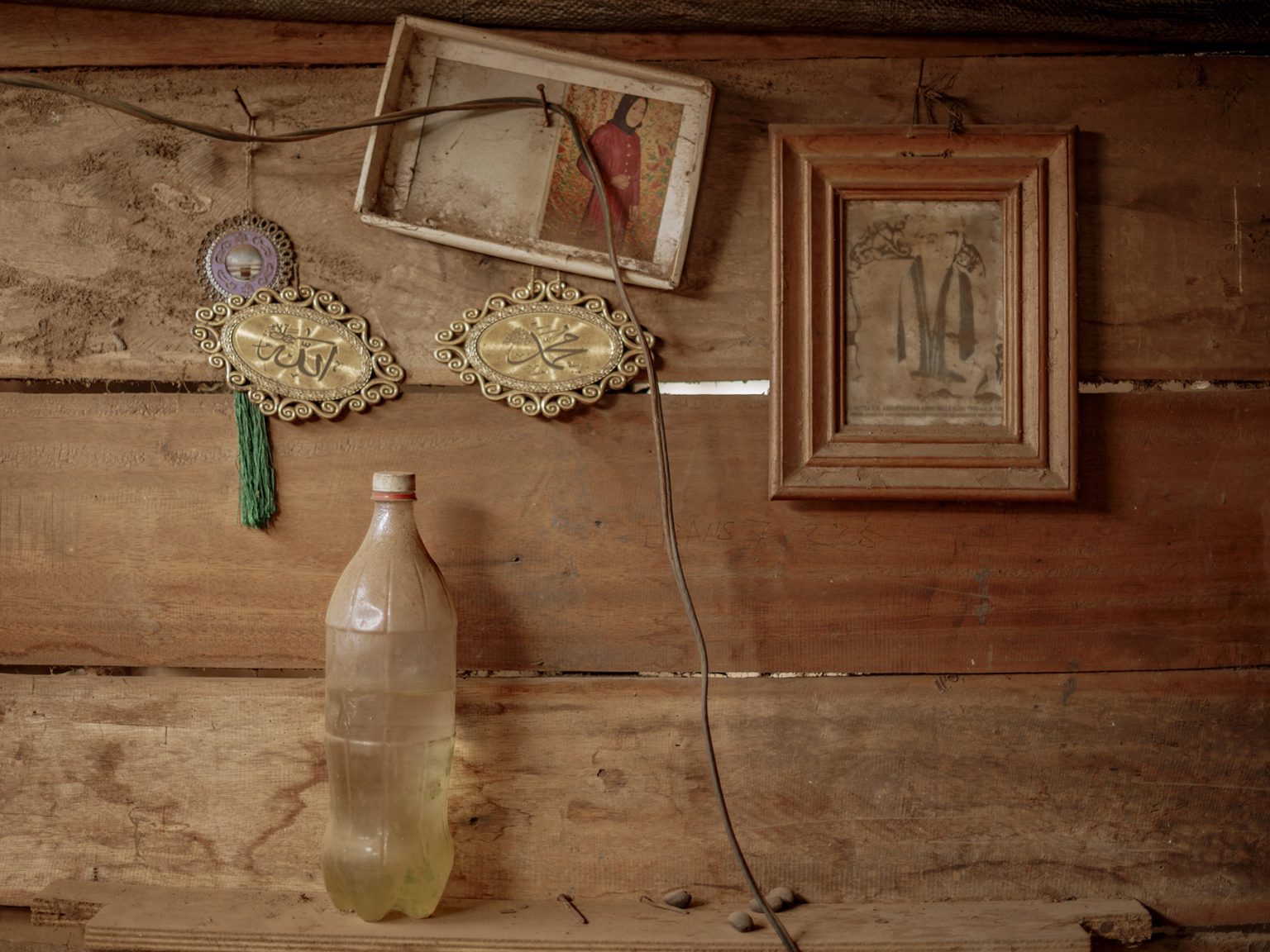
Ambo’s stilt house is now dilapidated. The wooden frame is rotting, the walls are pocked with holes, and the corrugated metal roof has rusted and begun to leak.
Still, he refuses to leave.
“I want to stay here. This is my home,” he said, looking up at the tarpaulin ceiling, now brown and thick with dust.
“I was born here, I grew up here, and when the time comes, I want to be buried here.”
Raba
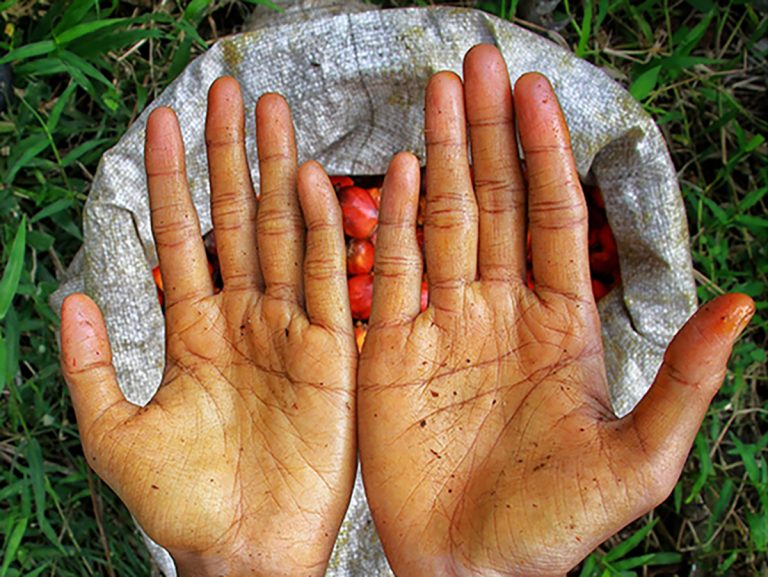
Not far from Ambo Enre’s home, Raba Intang, 80, swept the floor of her child’s house. Her wrinkled hands gripped the broom as she moved it slowly back and forth, raising dust from the concrete floor, now stained a different color.
“It’s good I don’t have to sweep 15 times a day anymore, since the factory behind this house hasn’t resumed operations,” Raba said in a thick Makassar accent.
Since July 15, 2025, Huadi Group has suspended operations at some of its smelters in the Bantaeng Industrial Park (BIP), as prices for processed nickel products slumped amid a global oversupply.
According to the Indonesian Nickel Miners Association (APNI), three Huadi Group companies have halted plant activities: PT Huadi Nickel-Alloy Indonesia, PT Huadi Wuzhou Nickel Industry, and PT Huadi Yatai Nickel Industry. As a result, more than 1,000 workers were furloughed.
On Nov. 17, PT Huadi Nickel-Alloy Indonesia sent a letter to Bantaeng regency’s manpower and industry office, notifying officials that it would lay off 510 workers on Nov. 21, citing “losses” and “efficiency” as the reasons. The notice came without prior warning.
The BIP chapter of the Mining and Energy Industry Workers Union (SBIPE) quickly learned of the news and staged a protest on Nov. 19.
“The recent wave of layoffs has deepened our concerns about a pattern of repeated violations by the company: claiming losses without evidence, carrying out mass layoffs, and failing to meet its obligations to workers,” the SBIPE’s BIP chapter said.
The precarious lives of the workers add to the growing list of hardships Bantaeng residents have faced since the industrial park arrived.
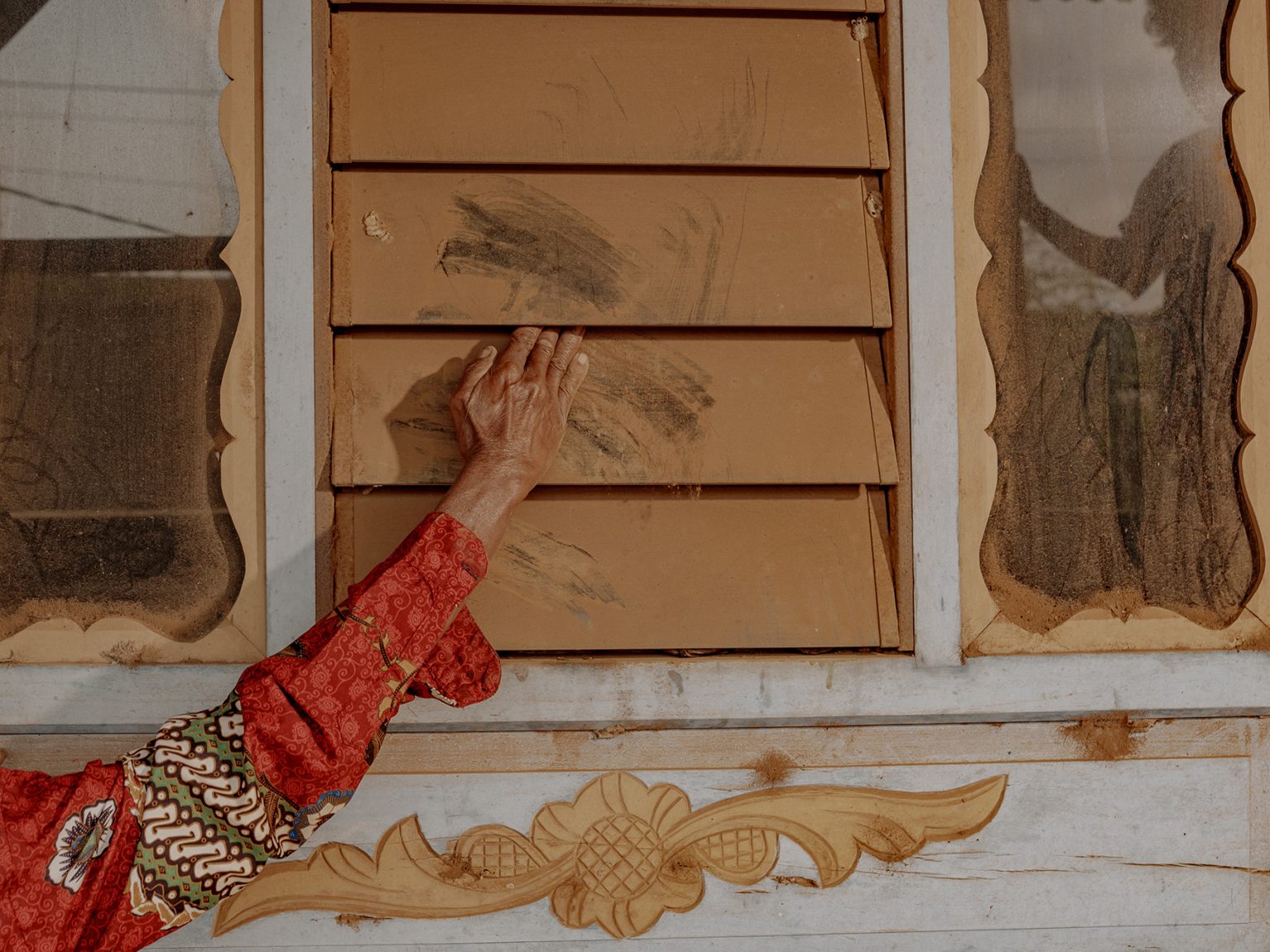
According to Raba, when the factories were all running, dust drifted in constantly and settled in every corner of the house.
“There was no break from cleaning, in the morning, at noon, or at night, right up until bedtime,” said Raba, who was wearing a brown house dress printed with “Luois Viutto” when she was interviewed.
“If everything starts up again, the dust will return. We’ll be the first to suffer.”
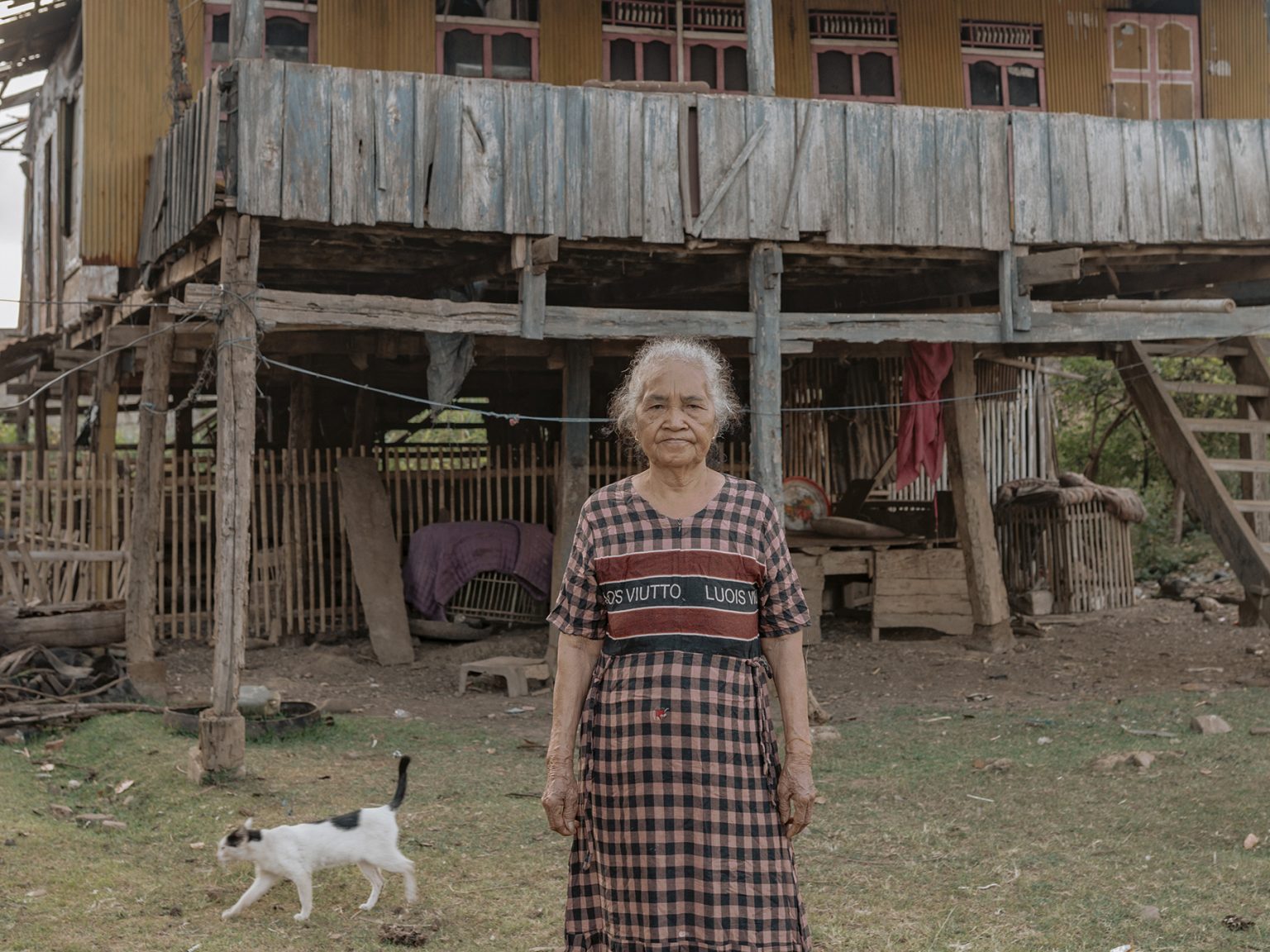
Before moving to her child’s place, Raba lived nearby in a stilt house. Her house is now in poor shape. The corrugated metal roof is riddled with holes, as if pelted with stones. The walls are blackened. The wooden pillars no longer stand straight and have begun to rot.
“I can’t live there anymore,” she said.
“At night, the noise from the factories cuts through the bedroom walls. Not to mention the smell.”
After the move, the noise and stench eased. But Raba still struggles with her health.
“Coughing is just part of life here,” Raba said.
So far, neither the government nor the companies have taken concrete steps to address the mounting harms from large-scale nickel processing at the BIP. More trees are withering, the air is increasingly difficult to breathe, and residents’ living space continues to shrink.
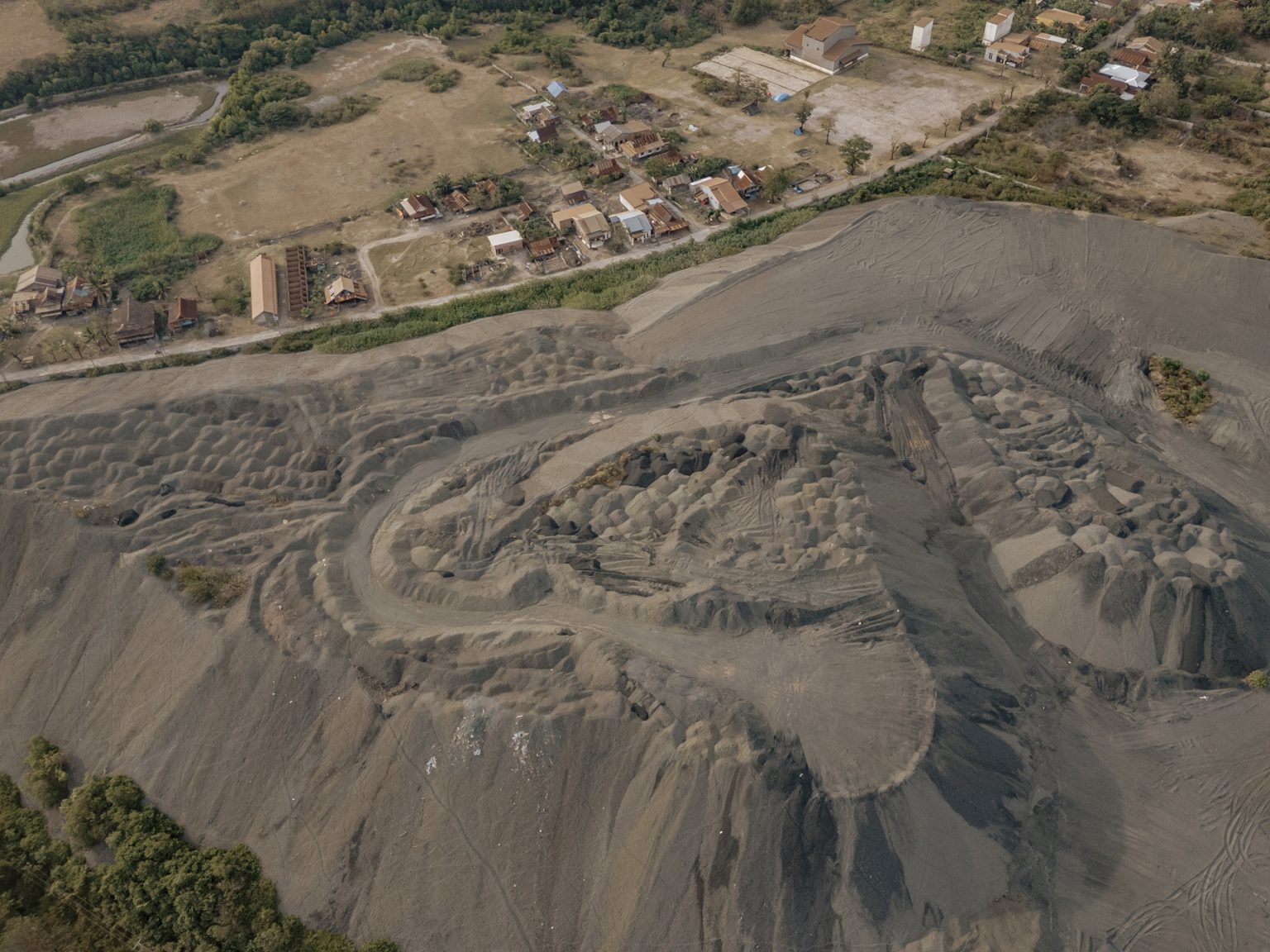
Residents can only bear the burden in silence, watching as their farmland has been turned into an industrial estate and the whir of machinery has replaced the sounds of crickets and irrigation canals.
“There’s no compensation. There’s no ‘dust money’ that was promised,” said Raba.
That afternoon, the dust returned. Out on the yard, Raba was sweeping again, moving the broom back and forth in a Sisyphean routine, in a village reshaped by an industrial boom.
Sulfa
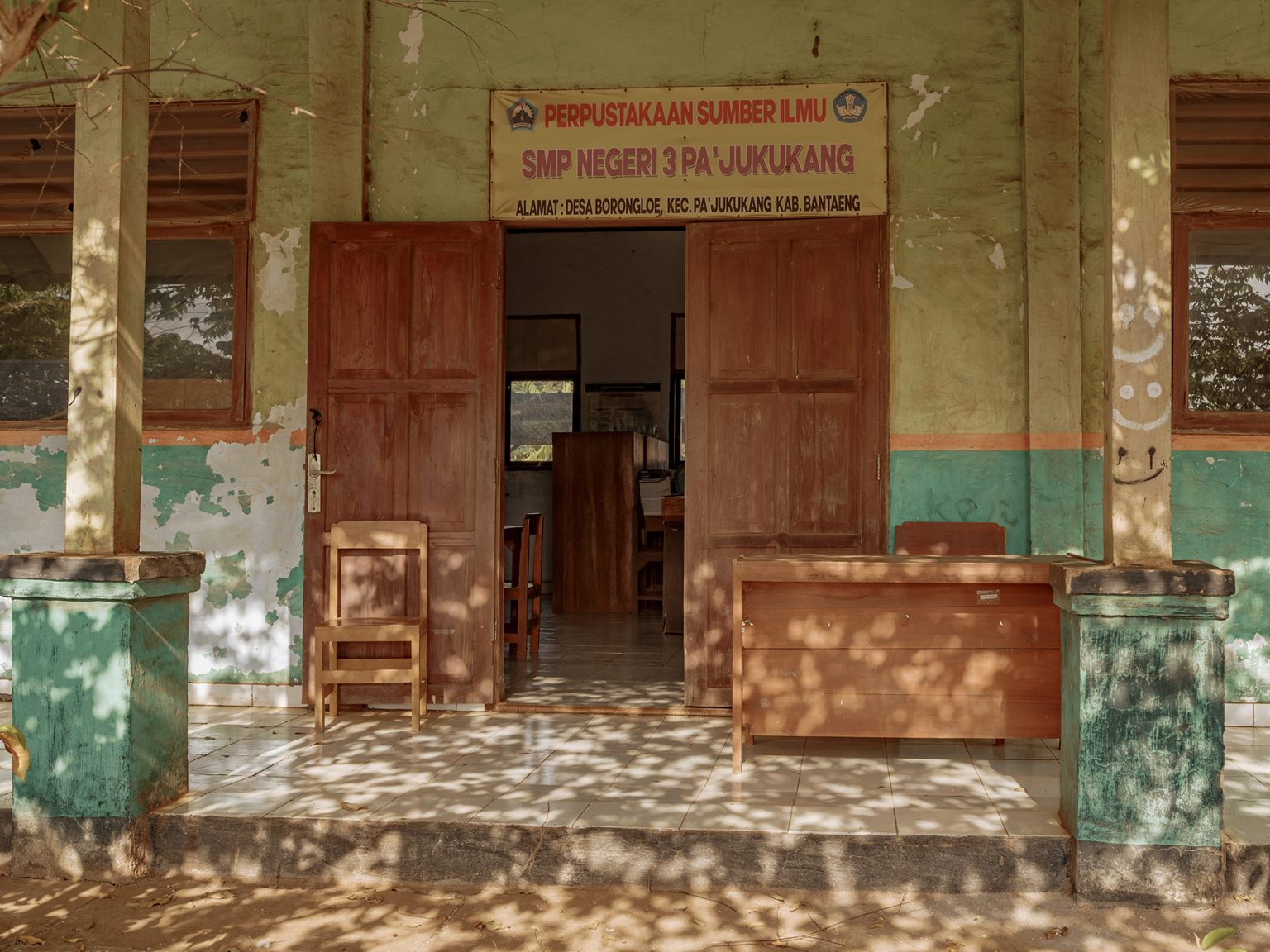
Across the road from Borongloe village, also in Pa’jukukang, a narrow alley led me to a school blanketed in dust. The gates looked dull. The nameplate was almost illegible beneath a thick brown coating.
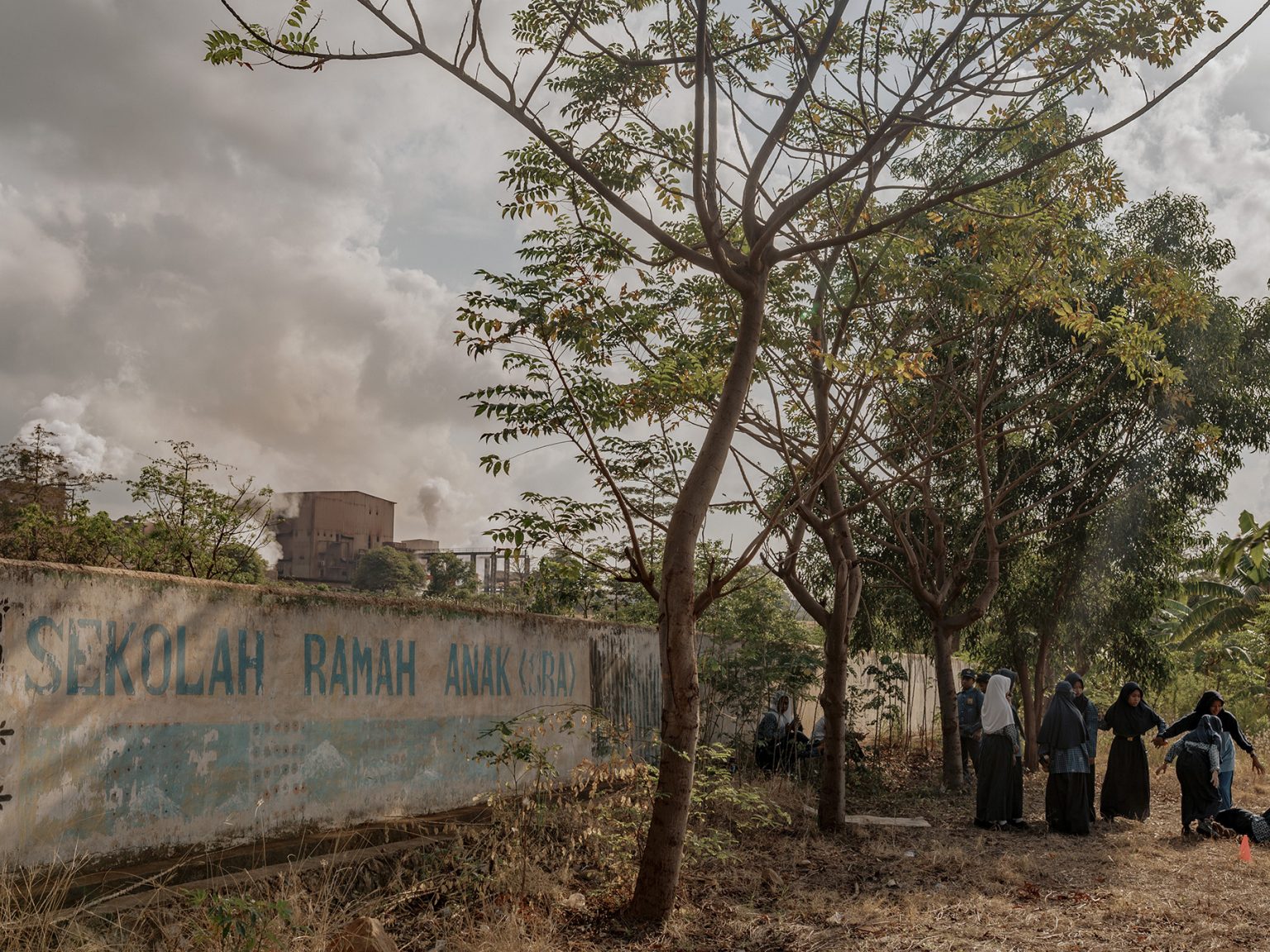
This is Pa’jukukang State Junior High School (SMPN) 3. It’s located just under 200 meters from nickel smelters operated by PT Hengsheng New Energy Material Indonesia, which have been running since 2023.
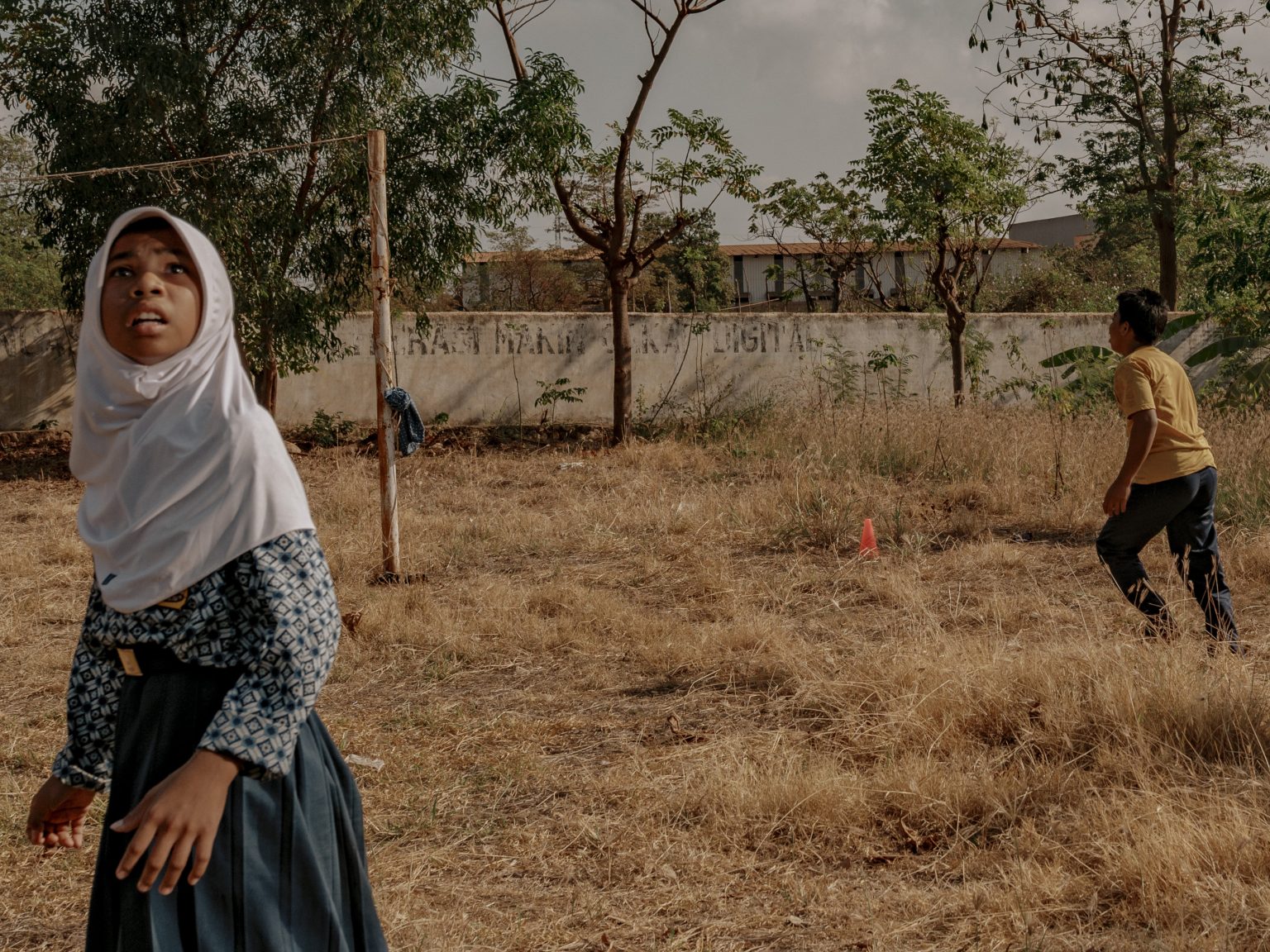
That morning, the first lesson had just begun. On a field fringed with tall grass and banana trees, about a dozen students played kasti, a local bat-and-ball game, during P.E.
The rubber ball flew. Students ran to catch it. A teacher stood at the edge of the field, jotting notes in a small notebook. Behind them, two smokestacks loomed, sending black smoke into the sky.
Not a single student wore a mask. They were used to it, the teacher said, referring to the smoke, dust, and sulfur stench.
“Throw the ball!” one student shouted. “Ruuun!” another yelled.
Laughter rang out through the dust.
Outside the field, three girls took a break: Resky, Latifa, and Sulfa. They were breathing heavily. Latifa coughed now and then.
“Don’t take pictures of the factories. Take pictures of us,” Sulfa said with a smile.
“People come here to take photos all the time, but the school is still dusty and it’s so noisy when we’re trying to study.”
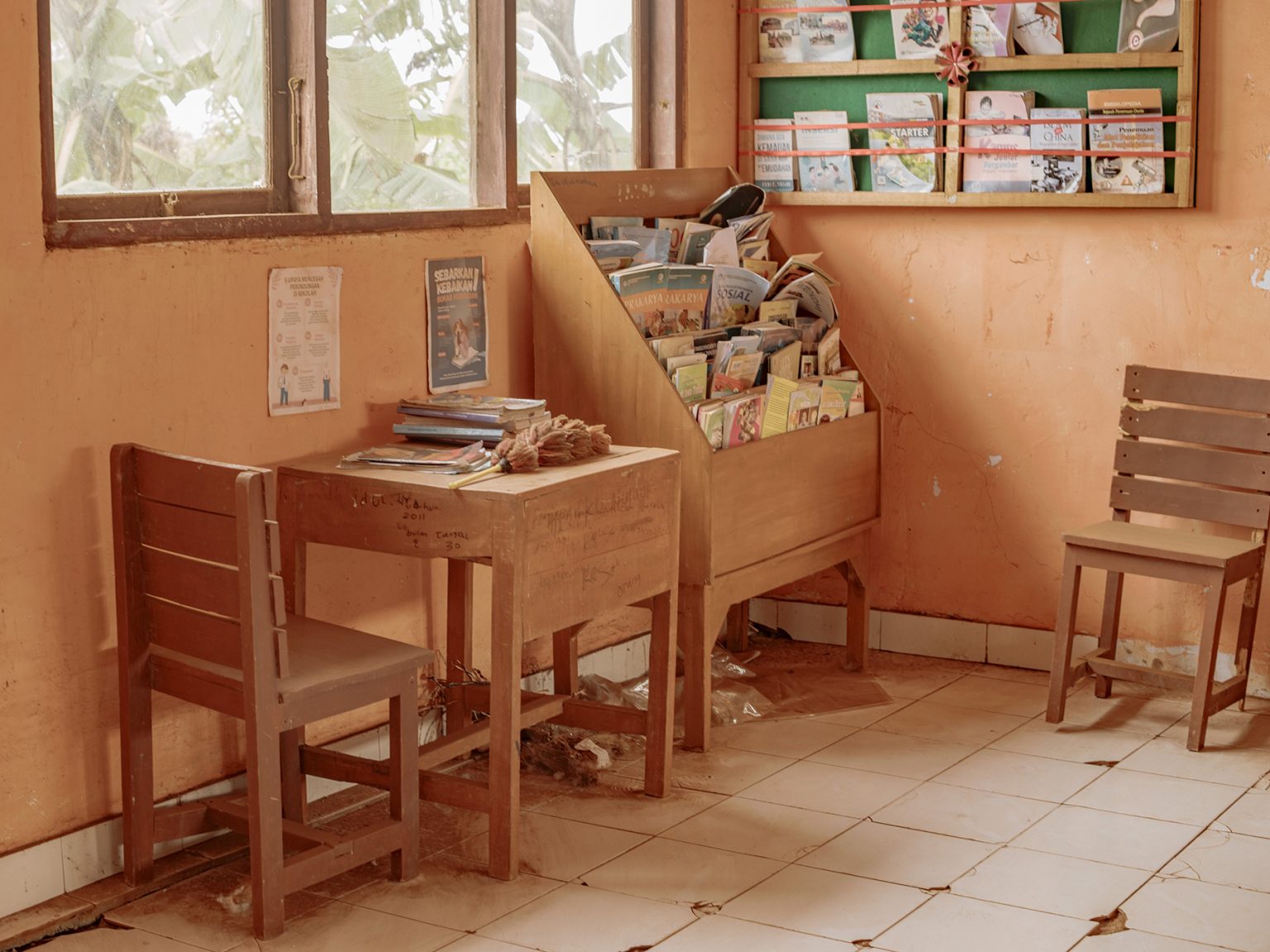
Inside a classroom with faded yellow walls, Tanti, not her real name, drew a chart on the whiteboard. She wore a mask. There were no educational posters or motivational quotes on the walls, only dust stains that seemed permanent.
“Every time I go home, my shirt isn’t white anymore. It turns brown,” she said.
The vents in every room are now covered with plastic to keep out the dust. But it barely helps. Every morning before classes begin, students and teachers must sweep away the dust that settles overnight from the smelters.
“If the dust is especially heavy, we close the school,” said Ibrahim, the headmaster.
The problem extends beyond the classrooms. The school laboratory, for instance, has been left unused, with its tables and walls blanketed in dust. “We can’t use this anymore,” a teacher said.
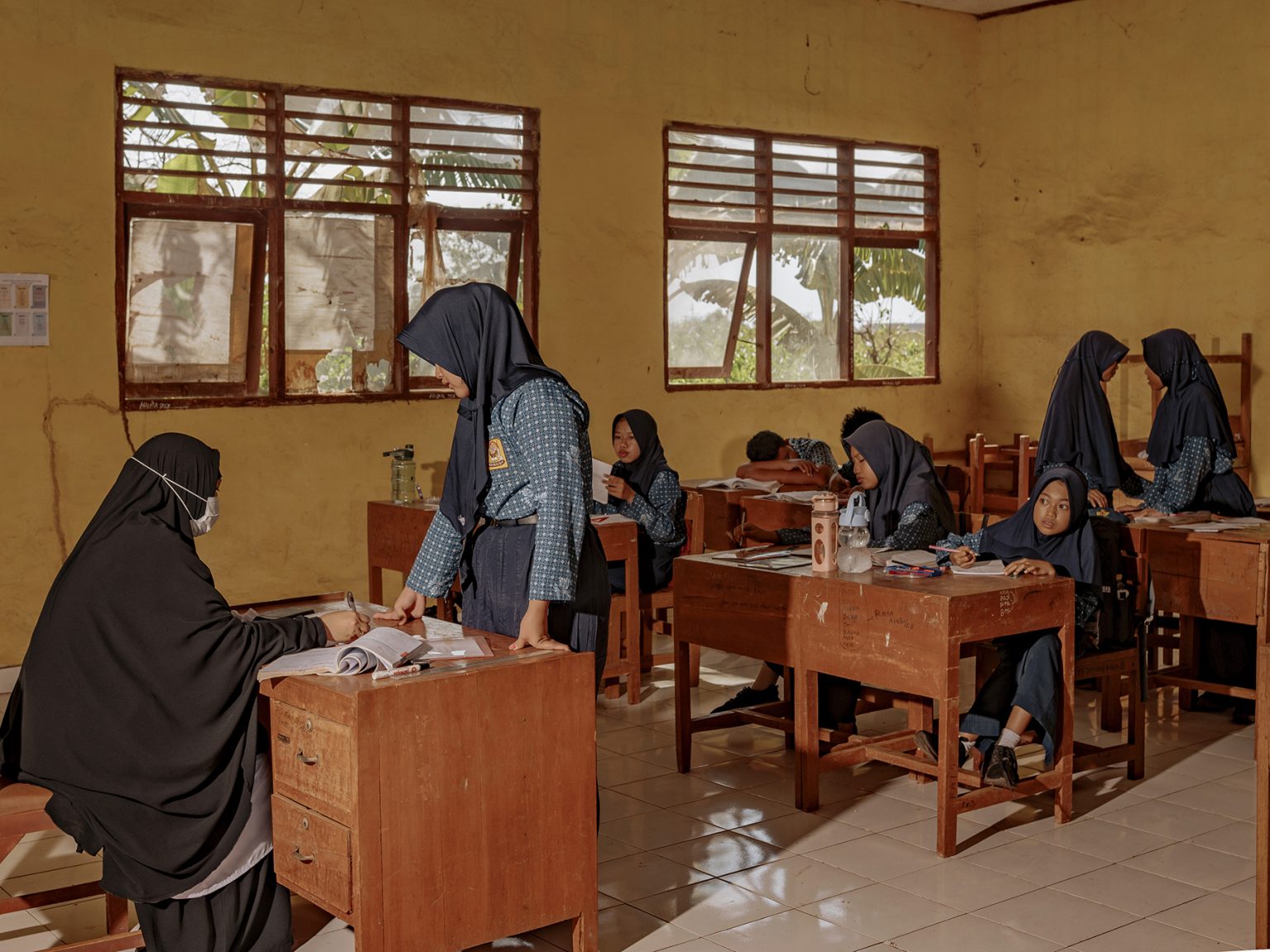
Covering 7,480 square meters, the school now has 31 students across three classes, down from about 50 before the nickel factories arrived. Teachers say enrolment has fallen as parents send their children to larger towns and cities to get away from the pollution.
Limited funding from the School Operational Assistance (BOS) program means the school cannot hire dedicated cleaning staff, leaving students and teachers to do the sweeping. But no matter how often they clean, the dust returns, along with the constant drone and clang from nearby factories.
It was time for the next lesson. Sulfa and her friends ran back to their classroom, passing a wall painted with the words “Child-Friendly School”.
The lettering had faded, much like the hopes of Pa’jukukang residents for a better life amid the never-ending dust and drone from nearby nickel smelters.
Note: Project Multatuli has sent requests for comment to Huadi Group by email and via a form on the group’s website, but has not received a response by the time of publication.
This photo story, originally published in Indonesian, was translated by Devina Heriyanto. The English-language editor was Viriya Singgih.