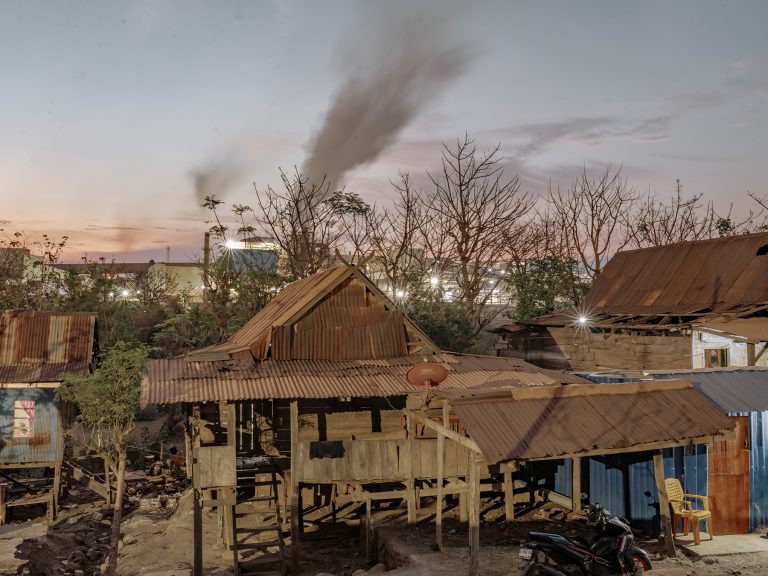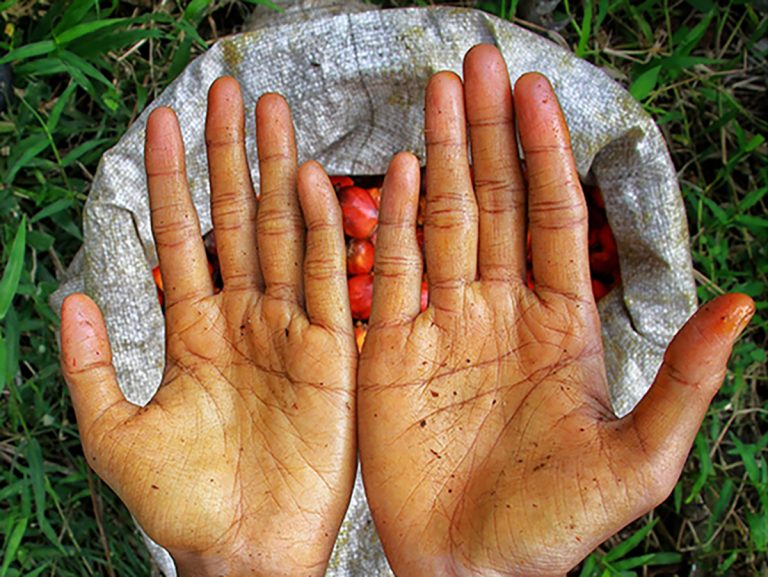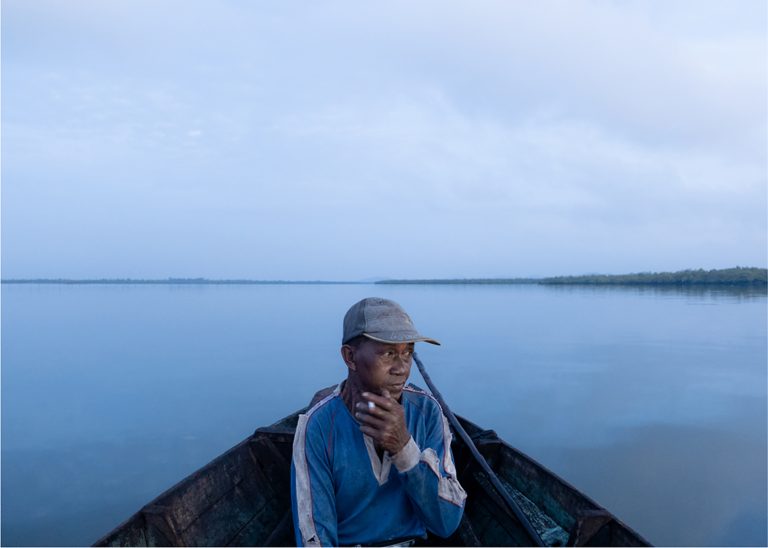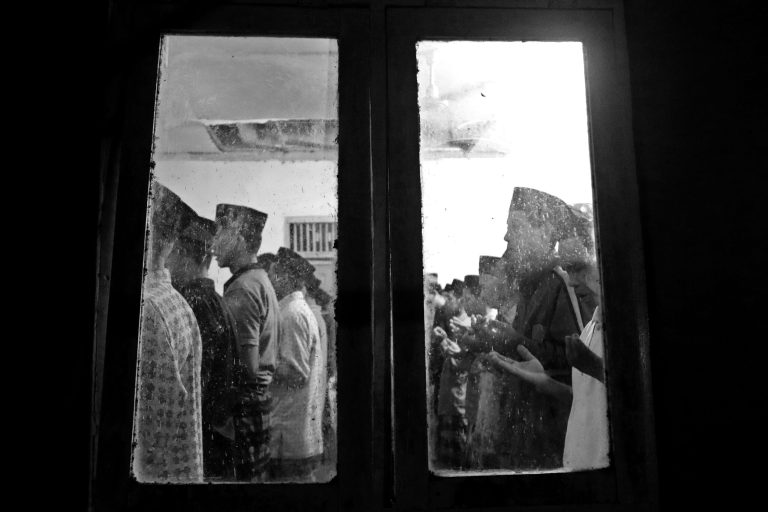

Some Indonesians with diverse gender identities and sexual orientations move to Bali and remake the meaning of “home”. The island is no utopia, but it can offer pockets of refuge, places where they feel valued, accepted, and able to be themselves, even if those spaces are hidden and limited.
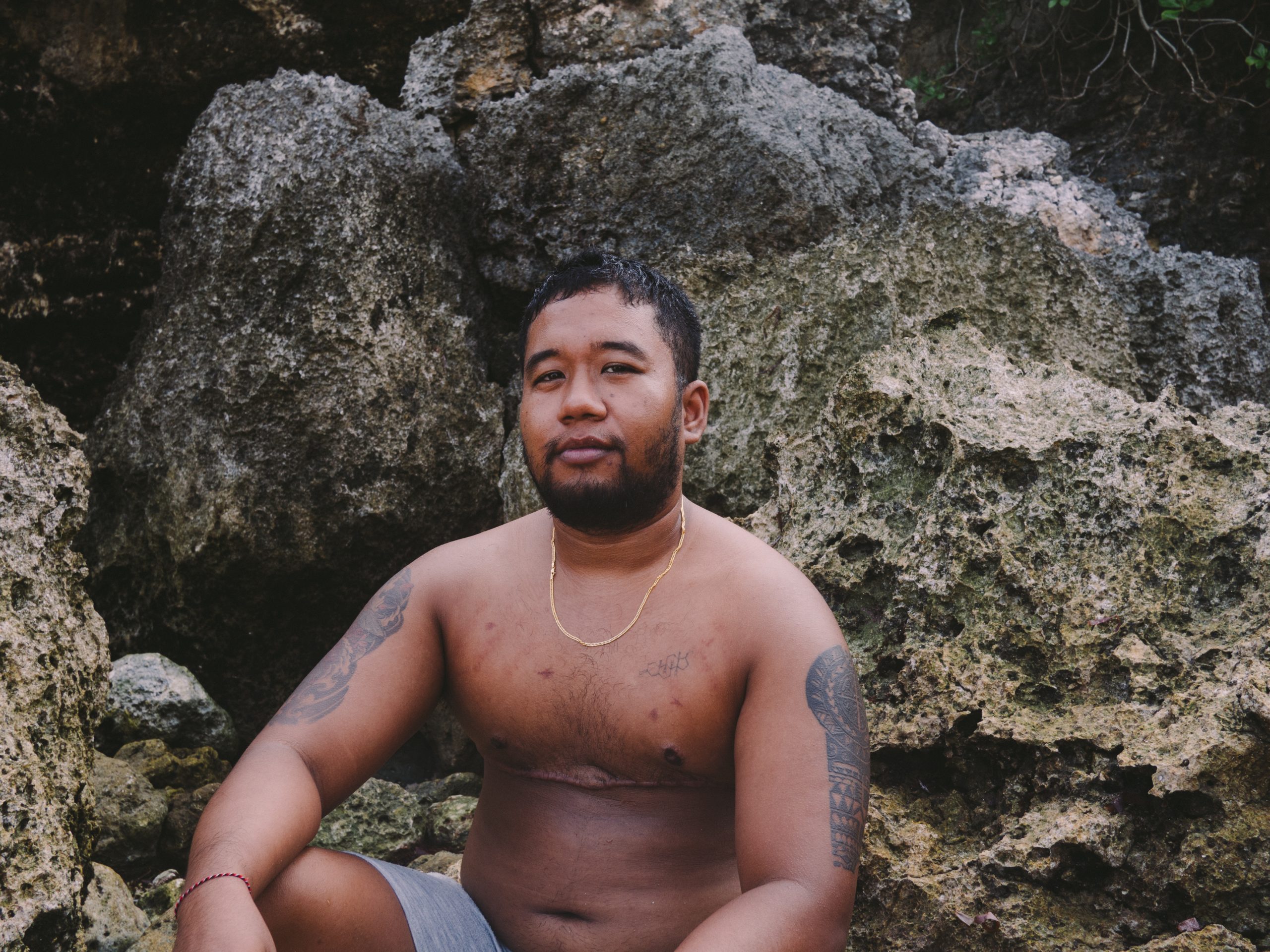
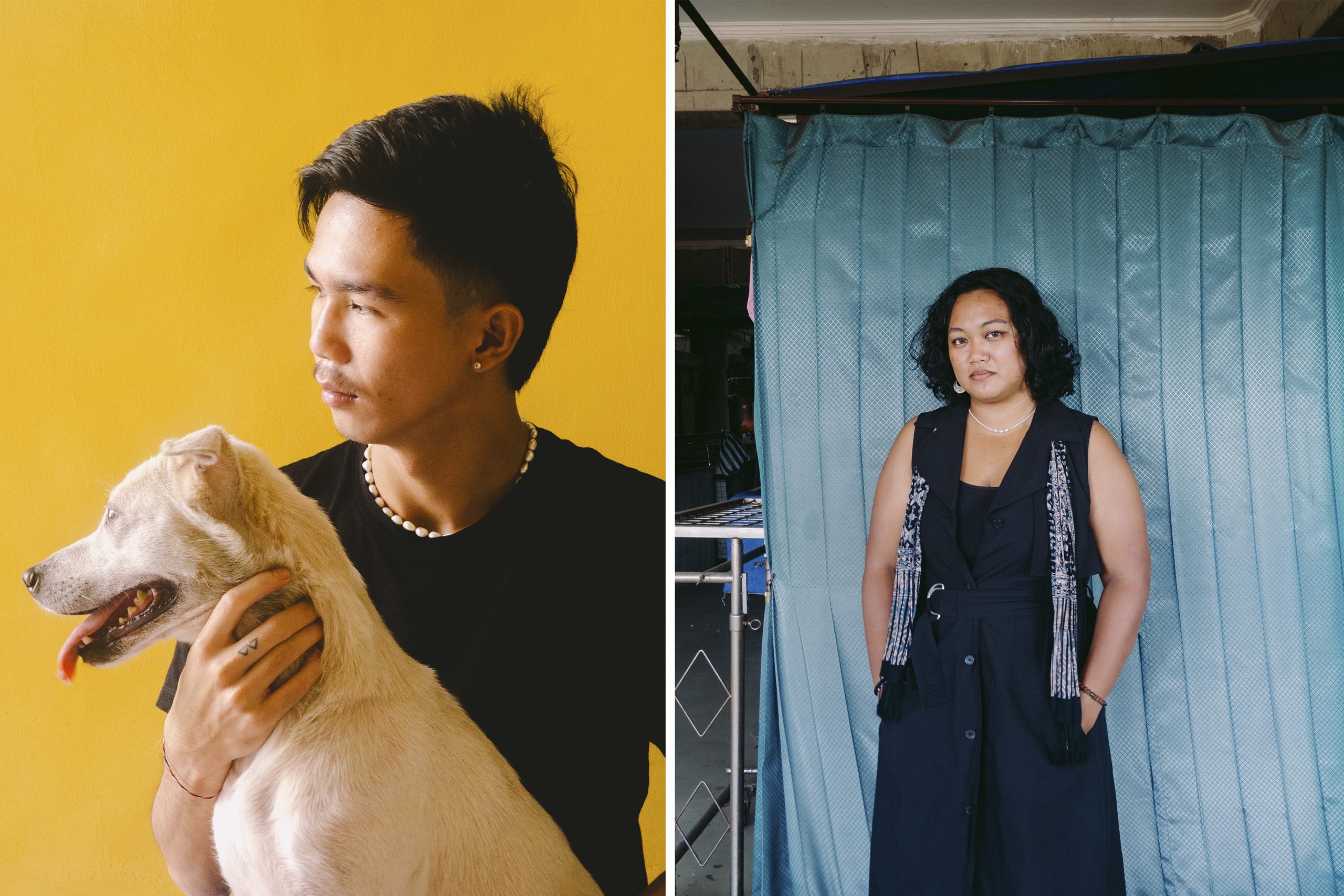
Vica, Ratri, and Ven came to Bali not only to earn a living, but also to get away from the places they once called home.
They are among Indonesians with diverse gender identities and sexual orientations, part of the country’s LGBTIQ+ community, who grew up under the shadow of discrimination.
Back home, they were seen as different, in their bodies, their voices, and the way they carried themselves. That’s why they left, not because they wanted to forget their roots, but because the places that should have made room for them did not.
A 2022 survey by the Community Legal Aid Institute (LBH Masyarakat) found that among 401 LGBTIQ+ respondents, 40.4% had experienced physical violence resulting in serious injury, 35.4% had their homes damaged, and 43.4% had lost their jobs because of their identity.
The survey also showed that 78.8% of respondents were at high risk of doxing and hacking attacks intended to destroy their credibility.
In Bali, Indonesia’s only Hindu-majority province, the situation is different. With its long history of tourism and international visitors, Bali can feel more open, especially for newcomers looking for space, anonymity, and community.

“Bali feels more open and more comfortable,” Vica said when we met in mid-2024.
“I was already out in the city where I lived before, and the people around me were supportive. But Bali just makes me feel more at ease.”
“Then life happened: I got a dog and two cats.”
Meanwhile, for Ratri, leaving home began with a realization about her sexuality.
“I thought, maybe I do need to leave my hometown and start embracing who I am,” she said.
When she first moved to Bali, she found a job in information technology at a company that did not restrict the role to men. Since then, she has gradually found ways to understand and celebrate her identity.
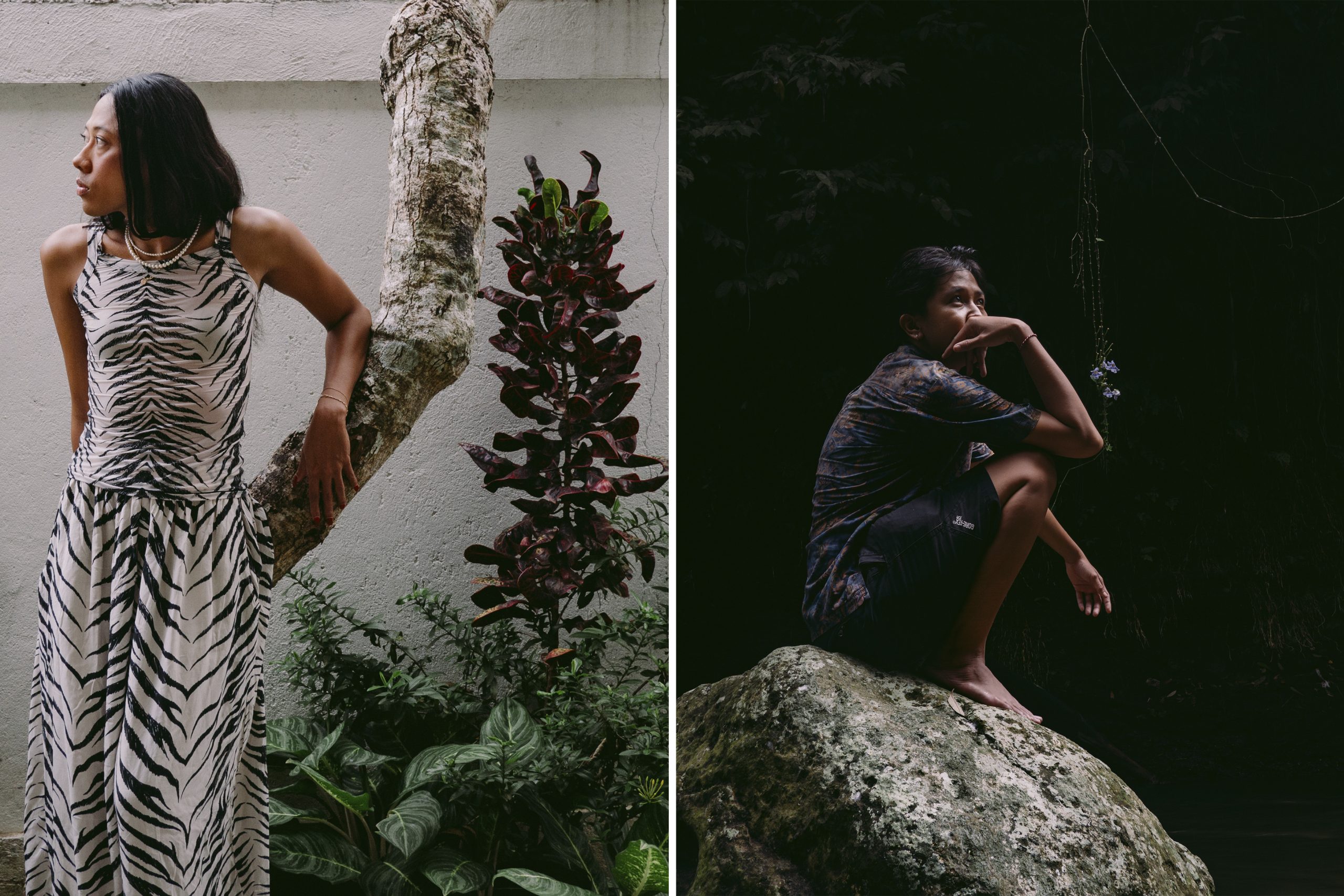
Ven, too, was drawn to Bali, but the move had been years in the making.
Before relocating, Ven visited Bali twice, in 2012 and 2015. On the second trip, Ven was certain Bali was the place to settle.
“I’d wanted to leave since high school,” Ven said. “It was all because of my situation at home, and because I wanted to express myself more freely.”
For each of them, Bali offered what home did not: space to live.
Amid the island’s cultural diversity and a more open social atmosphere, they began to remake the meaning of “home”, not as something inherited, but as something chosen.
Redefining Home

In many heteronormative migration narratives, home is understood as the place where one’s family lives. For those with diverse gender identities and sexual orientations, it is often the place that pushes them away.
Home can be what they have to leave behind because of rejection, discrimination, or violence. Instead of safety, it becomes a source of fear and, at times, trauma.
Research on LGBTIQ+ migration in Europe has found that a sense of belonging and inclusion is shaped largely by social factors, including access to gender- and sexuality-diverse communities, the level of social acceptance, and economic stability.
Many of these migrants find “home” in temporary spaces: shared apartments with friends from the same community, cafés, or even in relationships with partners who have lived through similar journeys.
A similar pattern appears in Bali.
For Ven, home is anything that brings comfort and a sense of safety.
“I feel safe [in Bali] not because of government rules or acceptance, but because I have friends who have always been there for one another. That, to me, is home,” Ven said.
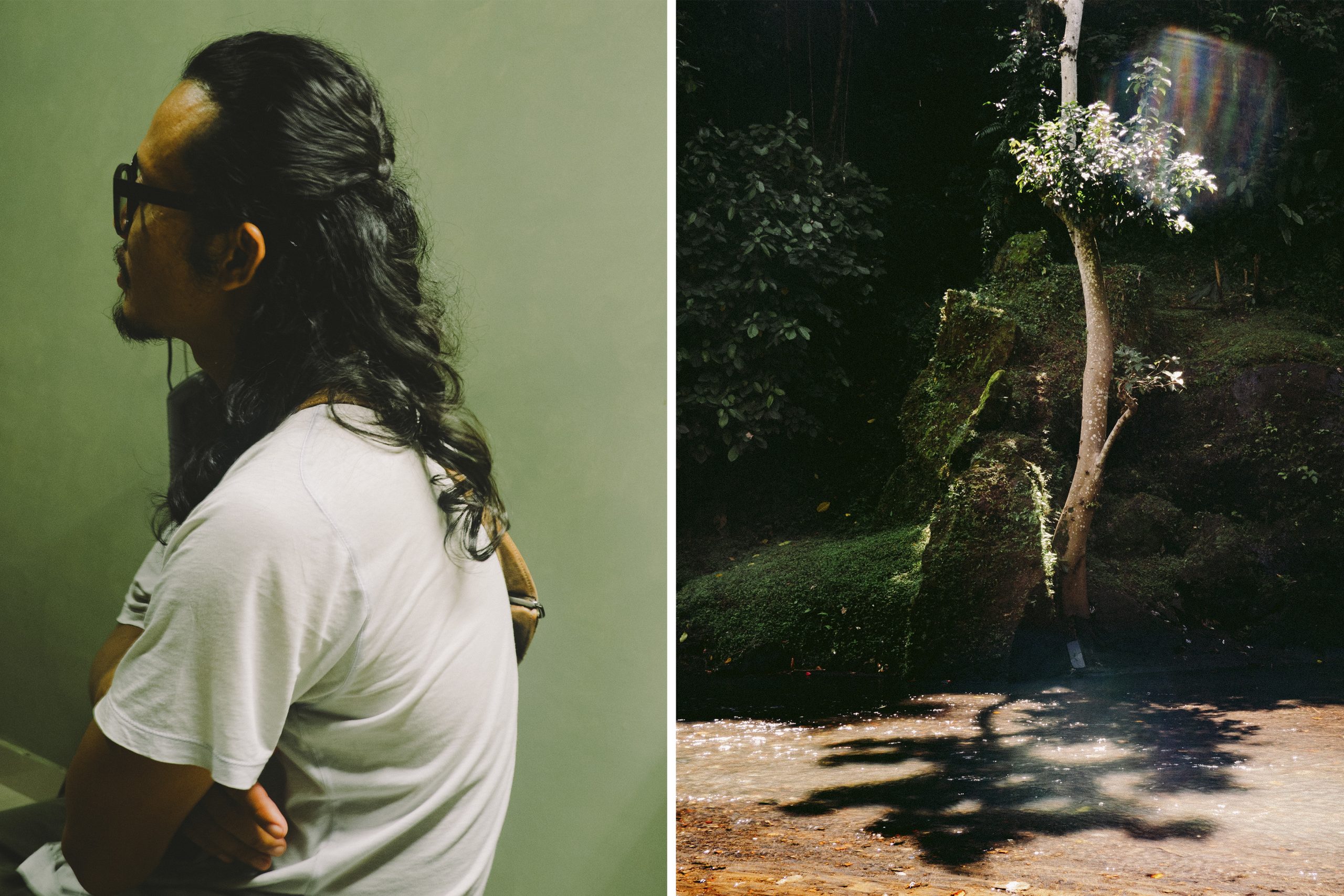
“Since 2019, I’ve lived in the spirit of menyama braya with the family I found in the community here in Bali.”
Menyama braya comes from Balinese words that convey kinship: “nyama”, meaning “sibling”, and “braya”, meaning “kin”. The latter can also refer to neighbors and those you come to treat as family.
In Bali, the phrase refers to a way of living in community through cooperation, mutual help, and harmonious coexistence. It is often described as a core Balinese value tied to tolerance and social solidarity.
“So even though I often live alone, I don’t really feel lonely,” Ven said.
The Caveats
Kristen Gray, a self-described “digital nomad” from the United States, made headlines in January 2021 after Indonesian authorities deported her from Bali.
Her deportation followed a thread on Twitter (now X) in which she described Bali as a “queer-friendly” island where she could live what she called an “elevated lifestyle” at a lower cost. She and her partner even wrote an e-book titled Our Bali Life Is Yours, which offered tips for foreigners on how to relocate to Indonesia.
Beyond the debate over Gray’s deportation, the case highlighted unequal access to freedom for LGBTIQ+ Indonesians compared with foreigners in Bali.
Tourism and gentrification have made safe spaces more accessible for expatriates and tourists, while locals in the community continue to face social and economic barriers.
“When it comes to work, it’s up and down,” Ven said.
“I still face discrimination because of my gender expression, often in subtle ways, like comments about my clothes.”
Foreigners may see Bali as inexpensive, but for many locals it feels increasingly out of reach.
“Right now, it’s stressful,” Ven said.
“I spent four months looking for a new place. It’s getting more expensive, and scams are everywhere. This is also the effect of so many foreigners staying and renting rooms here. Gentrification is affecting us.”

Moreover, even if Bali can feel more welcoming, Ven sees that openness as a form of “pinkwashing”.
Pinkwashing refers to marketing that signals support for LGBTIQ+ people while falling short of meaningful equality and inclusion.
Ven added that Bali is not necessarily completely safe, either. Ven and others in the community occasionally help friends who have been victims of violence tied to their gender identity or sexual orientation.
Still, moments of safety and belonging do exist in Bali.
Some have managed to build a home here and find spaces where they feel valued, accepted, and able to express who they are without fear, even if those spaces are hidden and limited.
For people with diverse gender identities and sexual orientations, a safe space is not only one free from discrimination and violence, but also one where basic rights, including the right to grow, work, and live with dignity, are upheld.
This photo story, originally published in Indonesian, was translated by Niscaya Sirna Nestapa. The English-language editor was Viriya Singgih.